Workforce Insights
Afterschool Career Readiness Programs That Work
Build afterschool career readiness programs with connected milestones, mentors, employer partners, real-time data that turns participation into results.
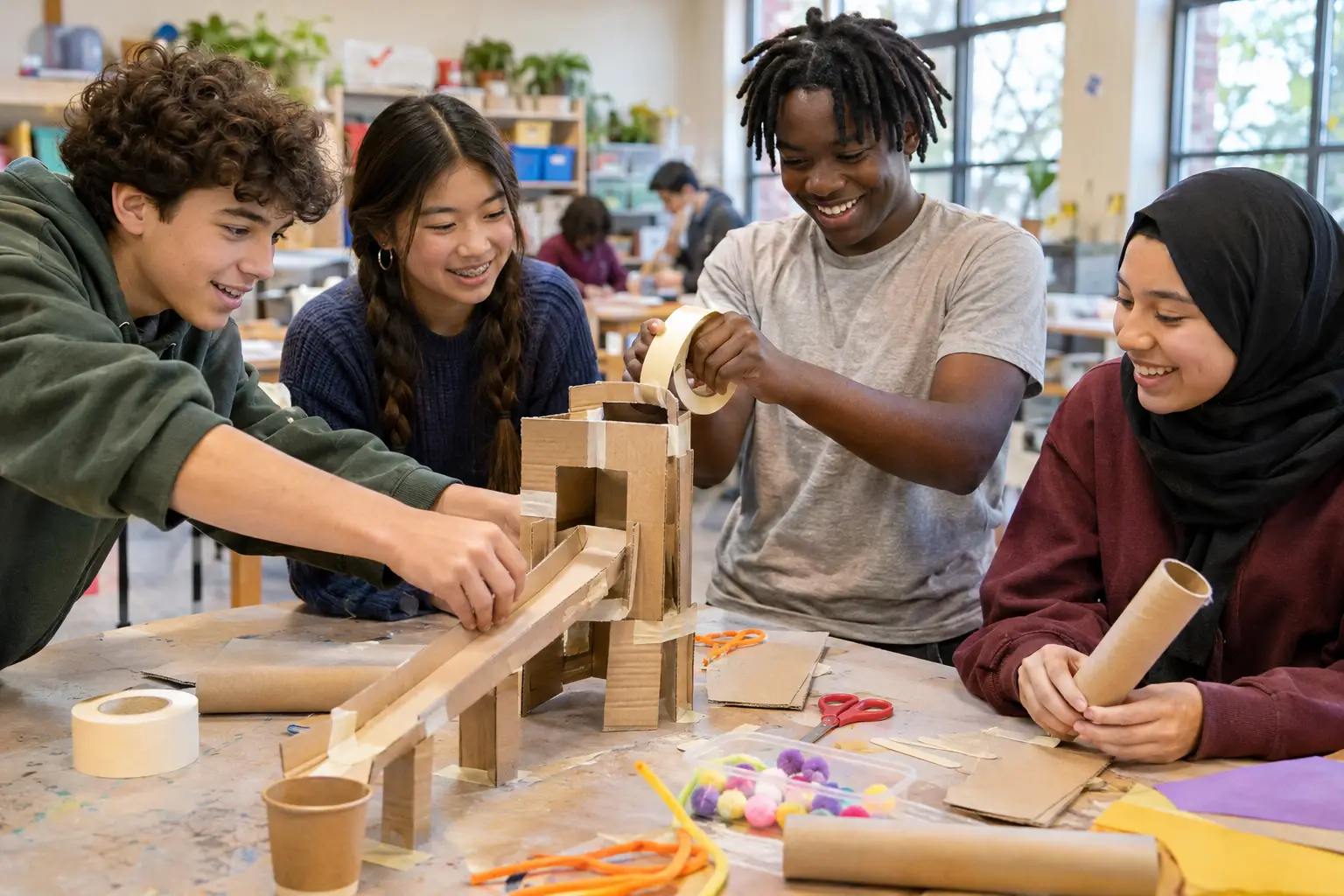
The final bell can mark the beginning of some of the most consequential learning a student receives. Afterschool career readiness programs have room to do what a standard class period often cannot: connect young people with mentors, workplace expectations, hands-on projects, and a clearer view of what comes next. But time after school is limited, student attendance can fluctuate, and program teams are often coordinating far more moving parts than their tools can support.
The difference between a well-intentioned enrichment offering and a durable career pathway is not simply more activities. It is a connected experience in which students can see progress, adults can act on timely information, and employer partners can participate without unnecessary administrative friction.
What students need from career-connected afterschool time
Students do not build career readiness by hearing that it matters. They build it by practicing the behaviors, skills, and decisions that make work-based learning real. For middle school students, that may mean career exploration, team projects, professional communication, and exposure to adults in different fields. For high school students, it may include industry credentials, job shadows, paid internships, mock interviews, portfolios, and direct connections to postsecondary and employment options.
A strong program creates continuity between these experiences. A career interest survey should inform mentor matching. A mentor conversation should lead to a goal. A completed project should become evidence in a student portfolio. An internship application should reflect documented readiness rather than a last-minute search through paper files and text-message threads.
This continuity matters especially for students who may not have personal networks that make career opportunities visible. Career-connected learning can expand access, but only if the program has a reliable way to identify who is participating, who is progressing, and who needs support before they disengage.
Afterschool career readiness programs need an operating model
Program quality depends on the design of the experience, but it also depends on the operating model behind it. Leaders need a practical answer to a basic question: How will every stakeholder know what to do next?
When program information lives across spreadsheets, sign-in sheets, email chains, paper evaluations, and separate tools, the team spends too much time reconstructing the student story. Was the student cleared for the worksite? Did they complete the required orientation? Has a mentor logged the latest meeting? Which employer still needs to submit an evaluation? These are not minor administrative details. They determine whether a program can safely and consistently deliver on its promise.
A connected model brings student activities, milestones, communications, placements, and outcomes into one shared workflow. It gives program leaders an operational view of the entire pathway while giving students a mobile-first way to engage with opportunities and requirements.
Start with milestones, not a calendar of events
An afterschool schedule may include workshops, employer visits, and project sessions. Those events matter, but attendance alone is a weak measure of readiness. Define the milestones that signal actual progress, then align activities to help students reach them.
For example, an exploration-stage student might complete a career interest inventory, attend an industry speaker session, create a first resume, and identify two career fields for further research. A student preparing for an internship might complete workplace safety training, submit required documents, participate in an interview practice session, and receive staff approval for placement.
Milestones should be visible to students and staff. Students are more likely to persist when they can see the next step and understand why it matters. Staff can intervene earlier when a student has attended sessions but has not completed the actions required to move forward.
Make mentorship structured enough to count
Mentors can be transformational, yet many programs treat mentoring as an informal add-on. Without clear expectations, meeting records, conversation prompts, and follow-up responsibilities, the quality of a mentoring relationship can vary widely.
A stronger model gives mentors a defined role within the pathway. They can support goal setting, introduce workplace norms, review resumes or portfolios, and help students reflect on career interests. Program staff should be able to confirm that contact occurred, identify students who have not connected with a mentor, and collect feedback without placing the full burden on mentors.
Structure does not make mentoring impersonal. It protects the relationship by ensuring that a student is not lost when staff roles change, schedules shift, or a volunteer has a busy month.
Employer engagement must be easy to sustain
Employers want to contribute to local talent development, but they need a straightforward experience. A partner should not have to navigate multiple forms, unclear deadlines, and repeated requests for the same information just to host a student, join a career panel, or evaluate an intern.
Career readiness programs benefit when employer engagement is treated as a managed relationship rather than a one-time event. Keep a clear record of partner interests, capacity, industry focus, student requirements, worksite expectations, and prior engagement. This gives staff continuity and prevents valuable relationships from walking out the door when a coordinator leaves.
The right level of employer involvement depends on program maturity. A newer program may begin with guest speakers, facility tours, and job shadows while building trust. Programs with established compliance processes and support capacity may be ready for internships, apprenticeships, or client-connected projects. Neither approach is inherently better. The key is matching the opportunity to student readiness and the organization’s ability to provide support.
Document work-based learning as it happens
Internships and other work-based learning experiences generate critical evidence: hours completed, competencies demonstrated, supervisor feedback, student reflections, required documents, and placement outcomes. Capturing that evidence after the fact is unreliable. By then, missing logs and incomplete evaluations can undermine reporting and make it harder to recognize student growth.
A shared platform can make documentation part of the normal workflow. Students log activity, mentors and supervisors provide feedback, staff monitor approvals and requirements, and leaders can review progress in real time. This creates a record that supports both student development and program accountability.
For district, CTE, workforce-board, and youth-program leaders, the value is larger than cleaner administration. Connected data makes it possible to see which experiences lead to persistence, credential completion, successful placements, or first-hire outcomes. It also makes equity questions easier to ask and answer. Which students are accessing high-value opportunities? Where are participation gaps emerging? Are certain pathways producing stronger outcomes than others?
Build communication around the student journey
Students should not have to search across group texts, email inboxes, flyers, and verbal reminders to understand what comes next. After school, where attendance windows are narrow and competing responsibilities are common, clear communication is part of program design.
Use a single student-facing environment to share opportunities, deadlines, reminders, mentor messages, and milestone status. Staff should be able to communicate with specific cohorts - such as students who need a permission form, are eligible for an internship, or have not completed a required workshop - rather than sending every message to every participant.
This approach respects staff capacity as well. It reduces repetitive outreach and gives program teams a clearer picture of engagement. If students are not opening messages, missing milestones, or dropping off after a particular point, the response can be targeted rather than reactive.
Measure outcomes without reducing students to a dashboard
Data should strengthen relationships, not replace them. A dashboard cannot explain every reason a student missed a session or hesitated to apply for an opportunity. What it can do is help adults notice patterns soon enough to have the right conversation.
Track participation and completion, but also track the progression that demonstrates readiness: skills practiced, credentials earned, mentor engagement, employer interactions, applications submitted, placements secured, and post-program outcomes. Pair quantitative reporting with student reflections and partner feedback. The result is a fuller picture of whether the program is expanding options and preparing students to act on them.
Optimal Path supports this kind of connected workforce ecosystem by bringing career-readiness activities, mentor relationships, placements, documentation, communications, and outcome reporting into one shared system. For organizations managing multiple pathways and partners, that operational visibility can turn a collection of good activities into a program that can grow with confidence.
The most effective afterschool career programs make the future feel concrete. A student should leave a session not only inspired by what is possible, but able to name the next step, complete it, and see how it connects to a pathway that remains open long after the final bell.
Take the next step
See how Optimal Path connects schools, employers, and workforce programs in one ecosystem.
Related solutions
- Career Readiness Platform — structured readiness experiences for students across pathways.
- Workforce Development Software — manage participants, services, and outcomes end to end.
- Employer Partnership Management — grow and manage your employer partner network.
Keep reading
Related Workforce Insights

Workforce Insights
What a Career Connected Learning Platform Solves
A career connected learning platform brings students, educators, employers, and workforce teams into one system for pathways, placements, and outcomes.

Workforce Insights
Workforce Outcome Reporting Software That Proves Impact
Workforce outcome reporting software connects readiness, placements, credentials, and first-hire data so program leaders can demonstrate impact clearly.

Workforce Insights
Internship Compliance Documentation Software
Internship compliance documentation software gives workforce teams a shared, auditable way to manage placements, key forms, milestones, and reporting.